A Park Hill guide to fire and smoke damage
Fire Damage Restoration for Park Hill's Older Homes
How smoke cleanup and reconstruction can respect what makes a Park Hill house worth restoring: plaster walls, original trim, hardwood floors, and the materials behind them.
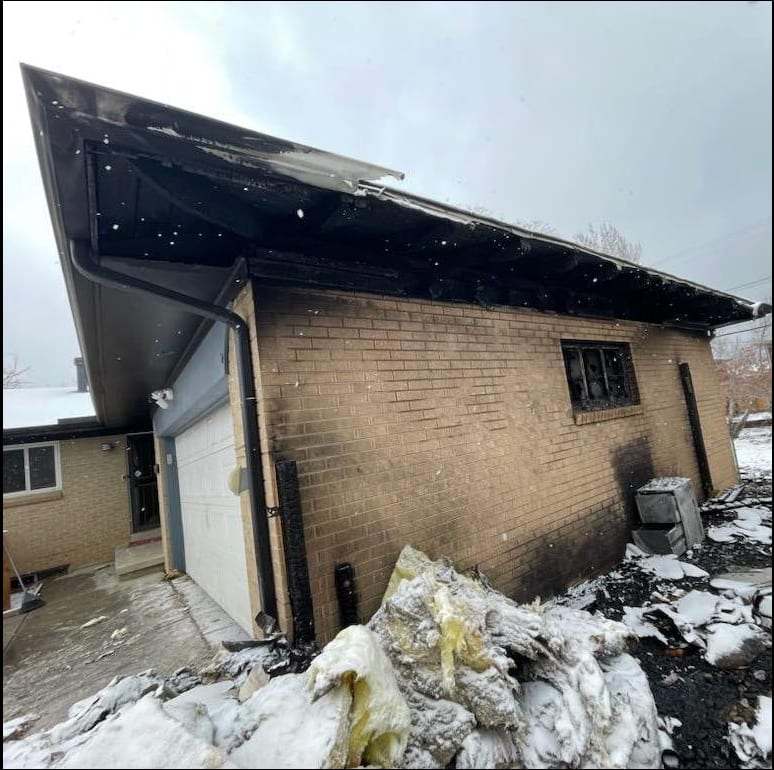
A sound approach is to clean what can be cleaned and replace only what's truly lost.
Restoring an older home after a fire takes a different approach
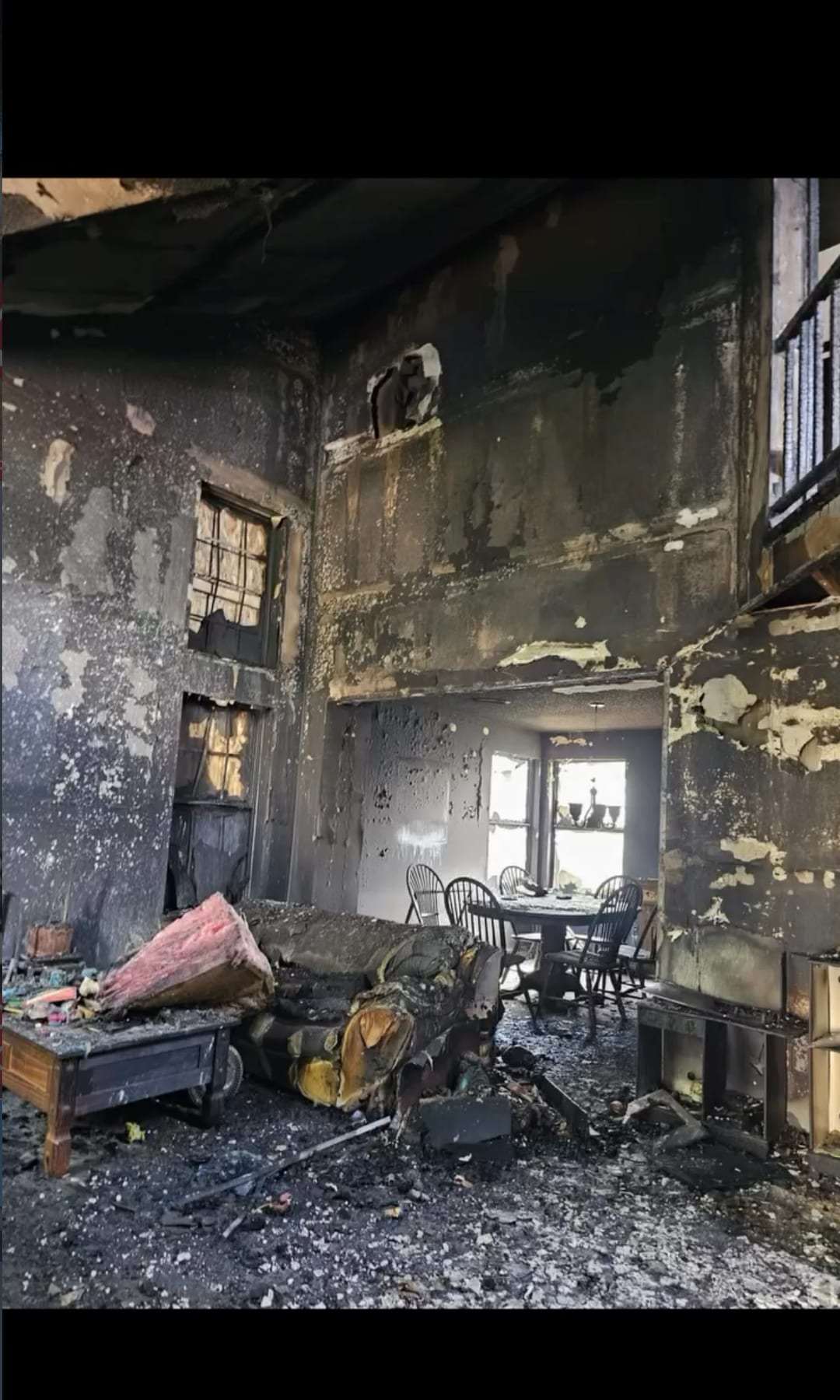
Park Hill's early twentieth-century homes were built with materials that behave differently from modern construction. Plaster and lath walls hold up to soot differently than drywall, old-growth trim and hardwood floors are worth saving when possible, and balloon framing in some older homes can let smoke and fire travel inside walls from floor to floor.
A sound approach is to clean what can be cleaned and replace only what's truly lost. That means assessing soot type and depth on each surface, checking hidden cavities and attics for smoke migration, and planning reconstruction that fits the house, documented for your insurance claim.
Before you hire anyone, ask whether a company has restored older plaster-and-lath homes, and whether it does both fire cleanup and reconstruction.
Typical Park Hill fire situations
| Situation | What it usually involves |
|---|---|
| Kitchen fire in a 1920s bungalow | A stovetop fire damages cabinets and blackens a plaster ceiling, and protein residue odor spreads into upstairs bedrooms through an open stairwell. |
| Fireplace or chimney fire | A chimney fire leaves soot around a historic fireplace surround and smoke residue throughout the living and dining rooms. |
| Detached garage fire | A fire in a detached garage scorches the back of the house and pushes smoke in through open windows. |
In the days after a fire
Do
- Wait for the fire department to release the home, and have a licensed electrician check the wiring before power is restored.
- Ask your insurer about temporary housing and the claims process.
- Keep a list of damaged belongings and save receipts for emergency expenses.
Don't
- Don't start demolition on your own; suspect materials may need testing first.
- Don't run the furnace or air conditioning until the system has been checked.
- Don't have power restored before a licensed electrician has checked the wiring.
Original materials: what can be saved
Restoring an older house well means cleaning what can be cleaned before replacing anything. These are general patterns; each house is assessed on its own.
Park Hill homes and what restoration involves
Park Hill in northeast Denver is known for tree-lined parkways and a wide range of early-to-mid twentieth-century homes: brick Tudors, bungalows, Denver Squares, and later mid-century houses farther north. Many owners have invested heavily in preserving original details while updating kitchens and systems.
Fire restoration here is often a balance between saving original materials and making the house safe and sound. Some fire restoration companies do both cleanup and reconstruction, which keeps decisions about what to save and what to rebuild in one place; ask whether that's offered.
- Park Hill mixes early twentieth-century and mid-century houses, so ask whether a company has worked on homes of your house's age.
- If your home is in a designated historic district or is individually landmarked, exterior changes may require review by Denver Landmark Preservation.
- Older homes may contain asbestos or lead paint; testing before demolition protects your family and workers.
- Many restoration companies serving Park Hill are based elsewhere in the metro, so ask about travel time before you commit.
ZIP codes served: 80220 (Denver), 80207 (Denver), 80206 (Denver).
Also nearby: 80205, 80230, 80218, 80246, 80238, 80010, 80266, 80203, 80209, 80216, 80224, 80247, 80202, 80045.
Soot in the heating system
Some of Park Hill's older houses have had their heating converted from coal or gravity systems to forced air. The old large ducts often remain, carrying a lot of air through the house. During a fire, smoke drawn into the returns ends up in every room on the system.
Don't run the furnace or air conditioning until the system has been checked. Cleaning the ducts, registers and air handler is part of the scope, along with replacing the filter. Otherwise freshly cleaned rooms are re-coated the first cold night.
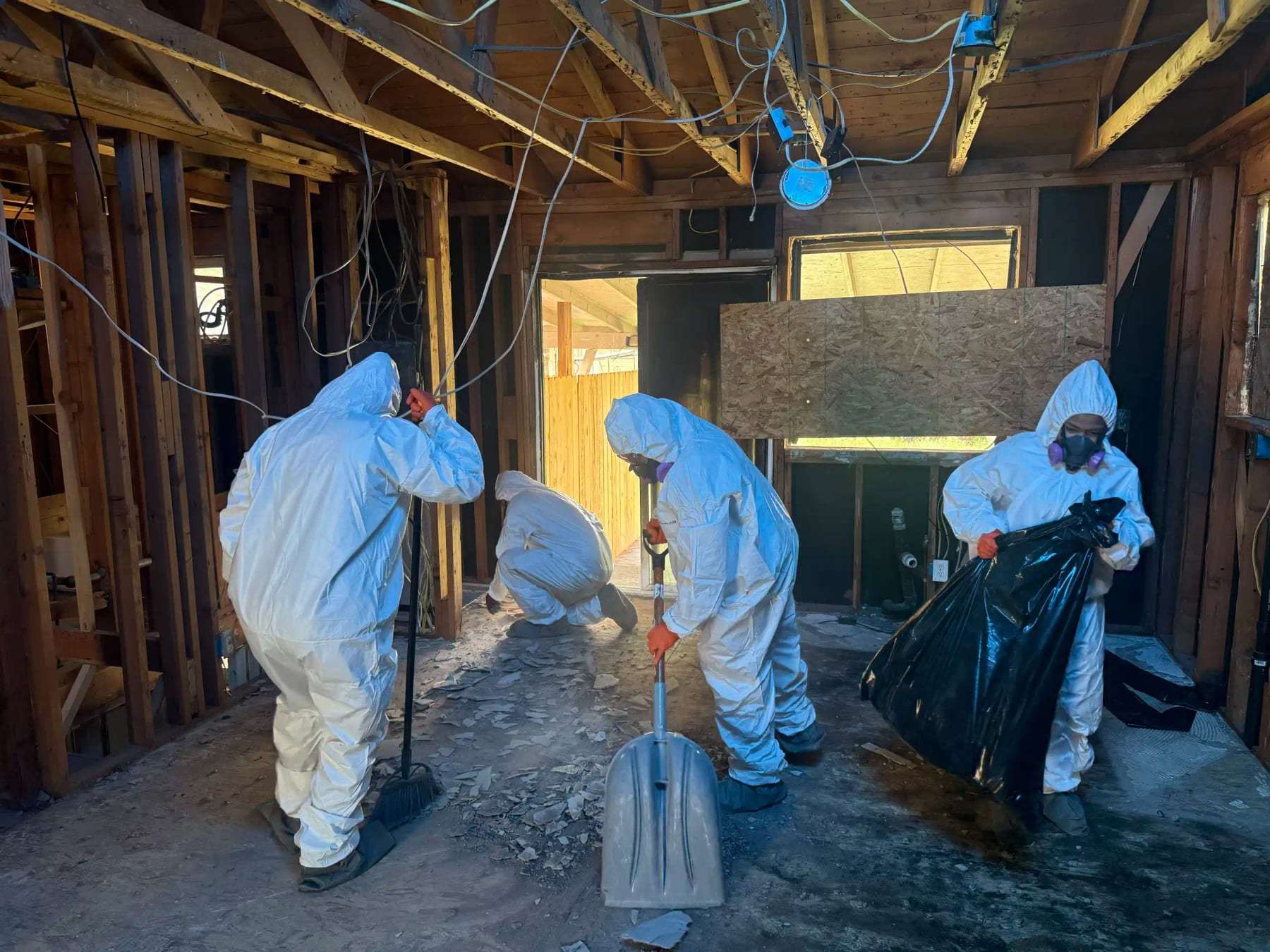
Fire restoration steps for Park Hill homes
The steps are the same as for any fire, but older construction adds checks and choices at each stage.
-
Secure and protect
Board up, tarp, and protect undamaged areas and original features from further harm.
-
Assess materials
Evaluate soot, smoke migration, water damage, and materials that need testing before removal.
-
Clean and remove
Clean salvageable plaster, wood, and finishes; remove what's charred or saturated.
-
Deodorize
Treat odor in cavities, attics, and ductwork, and seal surfaces before refinishing.
-
Reconstruct
Rebuild with attention to the home's existing materials and character.
Go deeper on older-home fire restoration
Longer guides and planning tools for plaster, trim, old ductwork and the rest of a Park Hill house after a fire.
- Reading
Each piece of reading here takes one problem that shows up after a fire in an early or mid twentieth-century house and works through it: how the damage happens, what it looks like, which choices come next, and what to ask before anyone starts tearing out plaster, trim or floors that cannot easily be replaced..
- Practical tools
These practical tools are meant to be printed, filled in or kept open on a phone while walking a damaged house.
- Typical cases
Every case on these pages is invented to show how decisions unfold, not drawn from a real household.
- Communities
Park Hill and its neighbors were built across more than a century, so a fire in one community rarely looks like a fire in the next.
Questions from Park Hill homeowners
- Can smoke-damaged plaster walls be saved?
- Often, yes. Plaster that's sound can usually be cleaned, sealed with an odor-blocking primer, and repainted. Plaster that's cracked, loose, or saturated from firefighting water may need repair or replacement.
- Will original hardwood floors survive a fire?
- Floors with surface soot or minor heat damage can often be cleaned and refinished. Boards that are charred, cupped from water, or deeply stained may need replacement, ideally with matching wood.
- Why does the smell seem worse upstairs?
- Smoke rises and collects in upper floors and attics, and older homes may have open wall cavities that let it travel between floors. The upper level and attic should be inspected along with the area where the fire occurred.
- Does my older home need to be tested for asbestos before repairs?
- If the work will disturb materials that could contain asbestos, such as some plasters, flooring, pipe insulation, or textured coatings, testing is recommended and, for many projects, required under Colorado regulations.
- Can I live in the house during restoration?
- It depends on the damage. Smaller fires may allow you to stay in unaffected areas, while larger fires usually require temporary housing. Your insurance may cover additional living expenses.
- Do I need a permit for fire repairs in Denver?
- Structural, electrical, and many other repairs require permits from the City and County of Denver. Ask whoever does the work which parts of your project will need them, and who pulls them.
- Can soot get into the heating system even if the fire was in one room?
- Yes. If the furnace or blower ran during or after the fire, it pulled smoke into the returns and pushed it through every supply register. Older homes with large ducts or converted gravity systems carry a lot of air. The ducts, registers, filter and air handler should be inspected and cleaned before the system runs again.
Describe the fire damage
This form is not connected. This website is a draft preview: no business has been confirmed to receive requests, so the fields below are switched off and nothing can be sent. In an emergency, call 911.